These 3D-printed sculptures playfully explore the heart’s complex beauty
Nowhere is the gulf between symbol and object felt as keenly as the heart. The idealised curves that bloom across Valentines Days cards may represent our



Nowhere is the gulf between symbol and object felt as keenly as the heart. The idealised curves that bloom across Valentines Days cards may represent our most famous muscle, but they have little in common with the sinewy tangle of the organ itself.
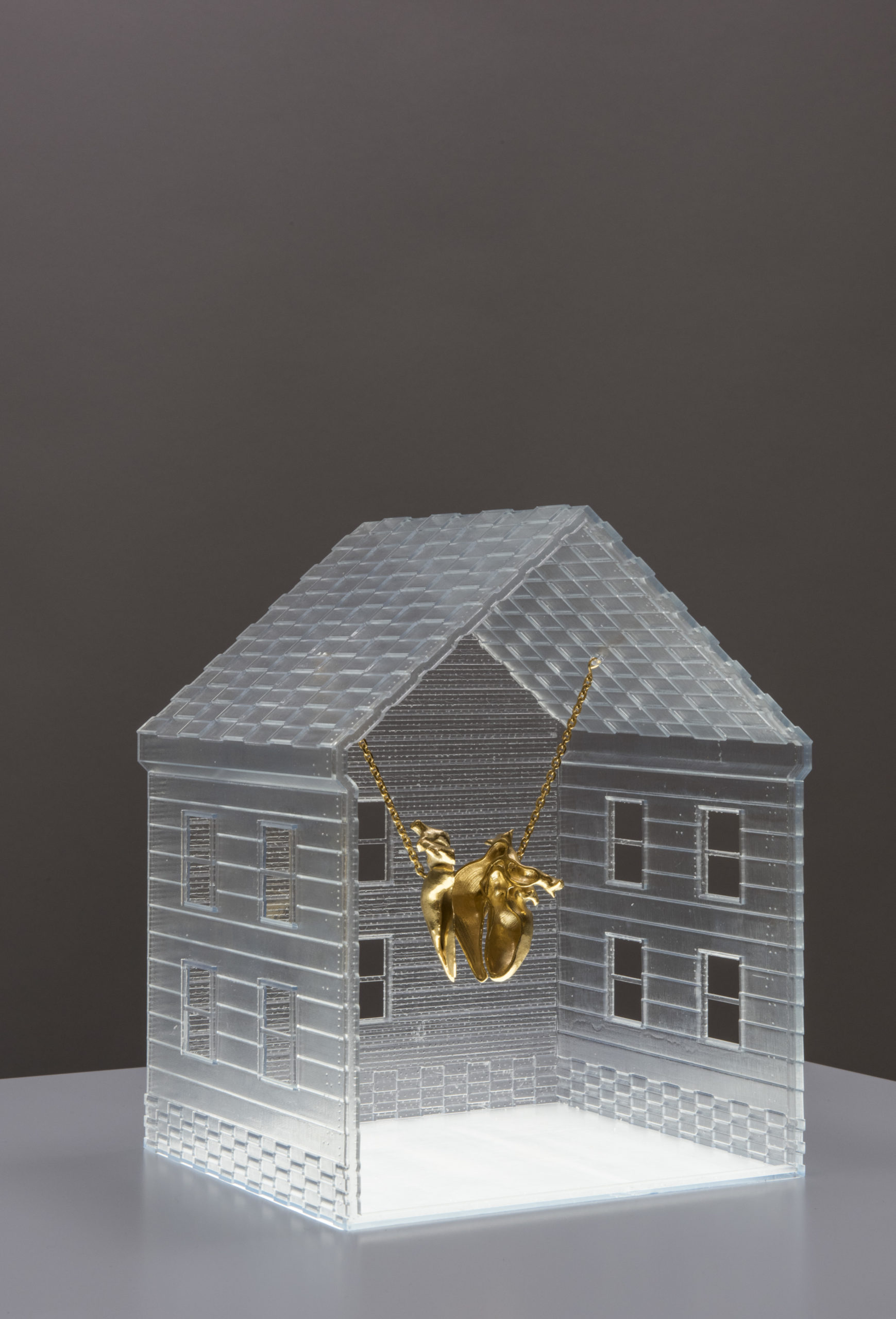
This connection, between the heart as a medical object and a symbolic force, is the subject of a new exhibition, currently showing at Newcastle’s Great North Museum. Combining realistic 3D printed models with artistic renderings of hearts as rubix cubes and branching plants, the show aims to depict our body’s pump in all its complexity.
The Heart of the Matter is based on workshops with patients with congenital heart conditions, led by British artist Sofie Layton, health psychologist Jo Wray, and bioengineer Giovanni Biglino. After talking to patients, their families and clinicians, it became obvious that the heart invites a particularly complex mesh of representations.
“We realised there was this incredible richness of imagery that [the patients] associated with their hearts,” Biglino tells me. “We wanted to explore the medical and poetic perceptions. How do we see the heart medically; as an object, as a form, as a 3D print, as an image, as something with a lot of terminology? But also, how do we see it as something very symbolic, very precious, very fragile, or very resilient?”
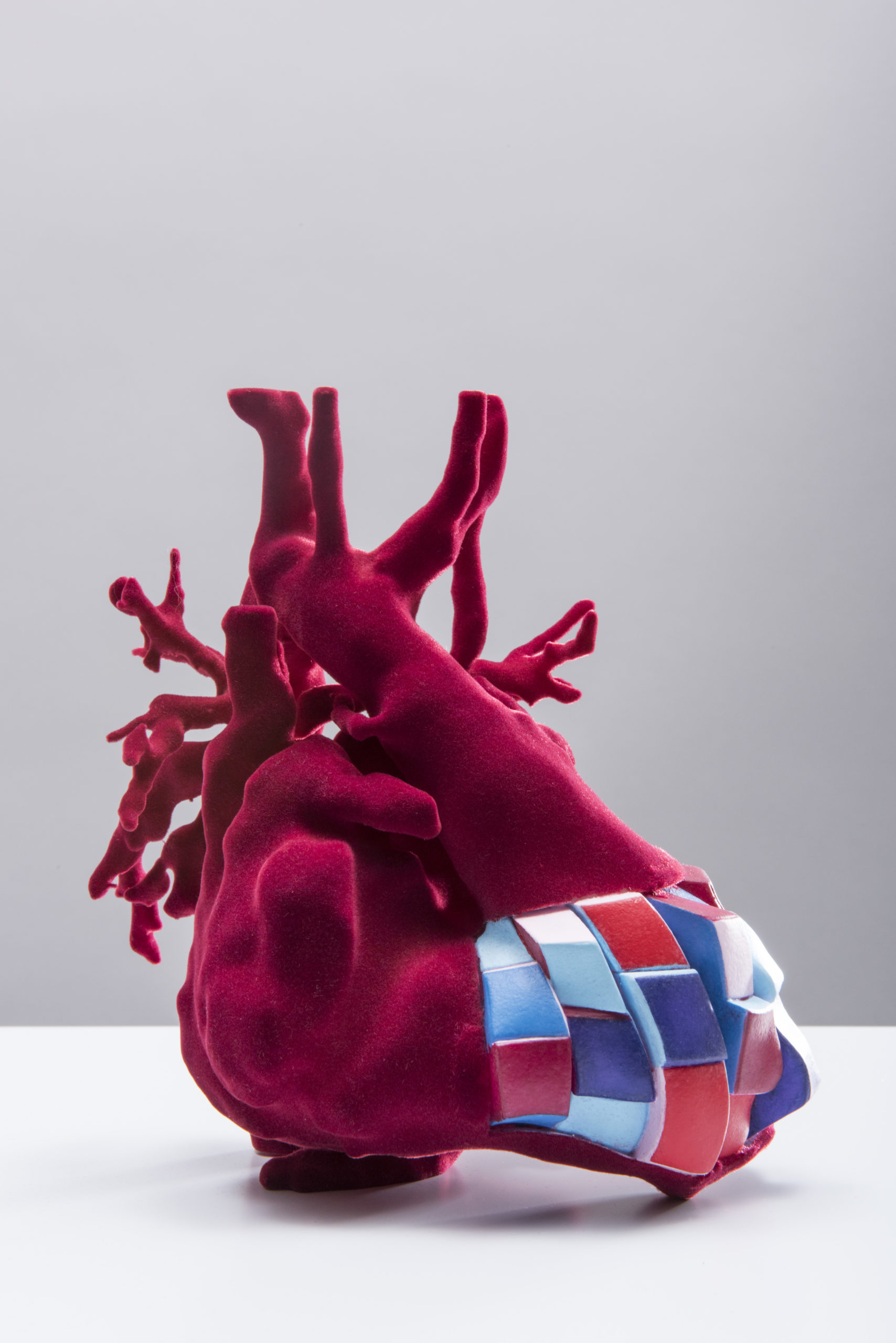
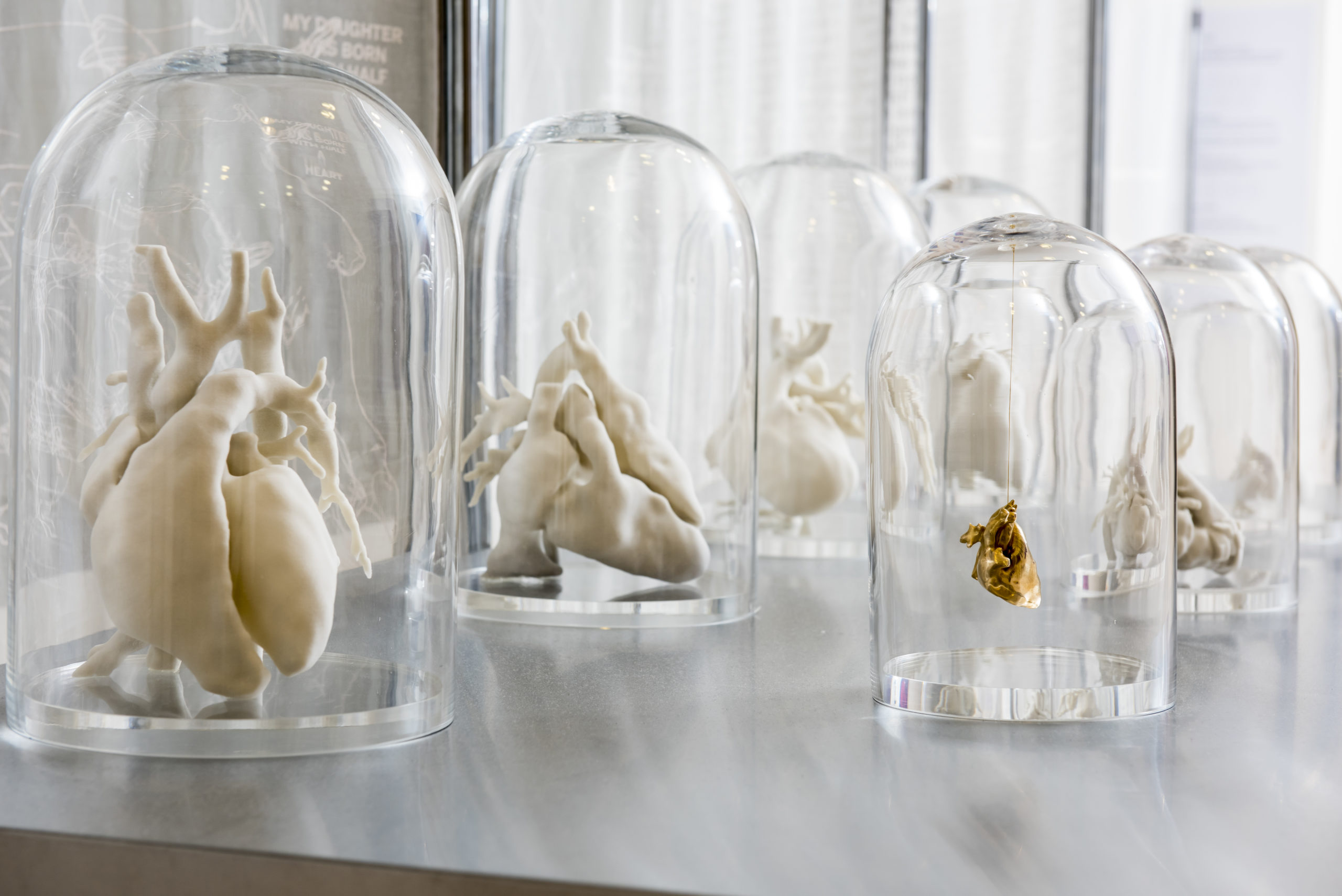
[gallery:6]Using medical scans of some of the patients’ hearts, the team were able to 3D print replicas of the organ that could be viewed, inspected, touched. This on its own is a relatively novel procedure, given the difficulty of creating precise models without 3D printing technology. Biglino explains that life-sized models are making it easier for clinicians to practice implantations before surgery, or to test fluid dynamics in a heart’s chambers. According to the bioengineer, people also become much more eloquent in how they talk about their heart once they’re able to hold it in their hands.
“It was the idea of what we call ‘making the invisible visible’,” he explains. “The heart is something you’re very aware of, especially if you have heart disease; whether it’s because of breathlessness or an irregular heart rate, but you don’t see it. Suddenly these people, some of whom were born with a heart condition, were able to see it, to give it a face.”
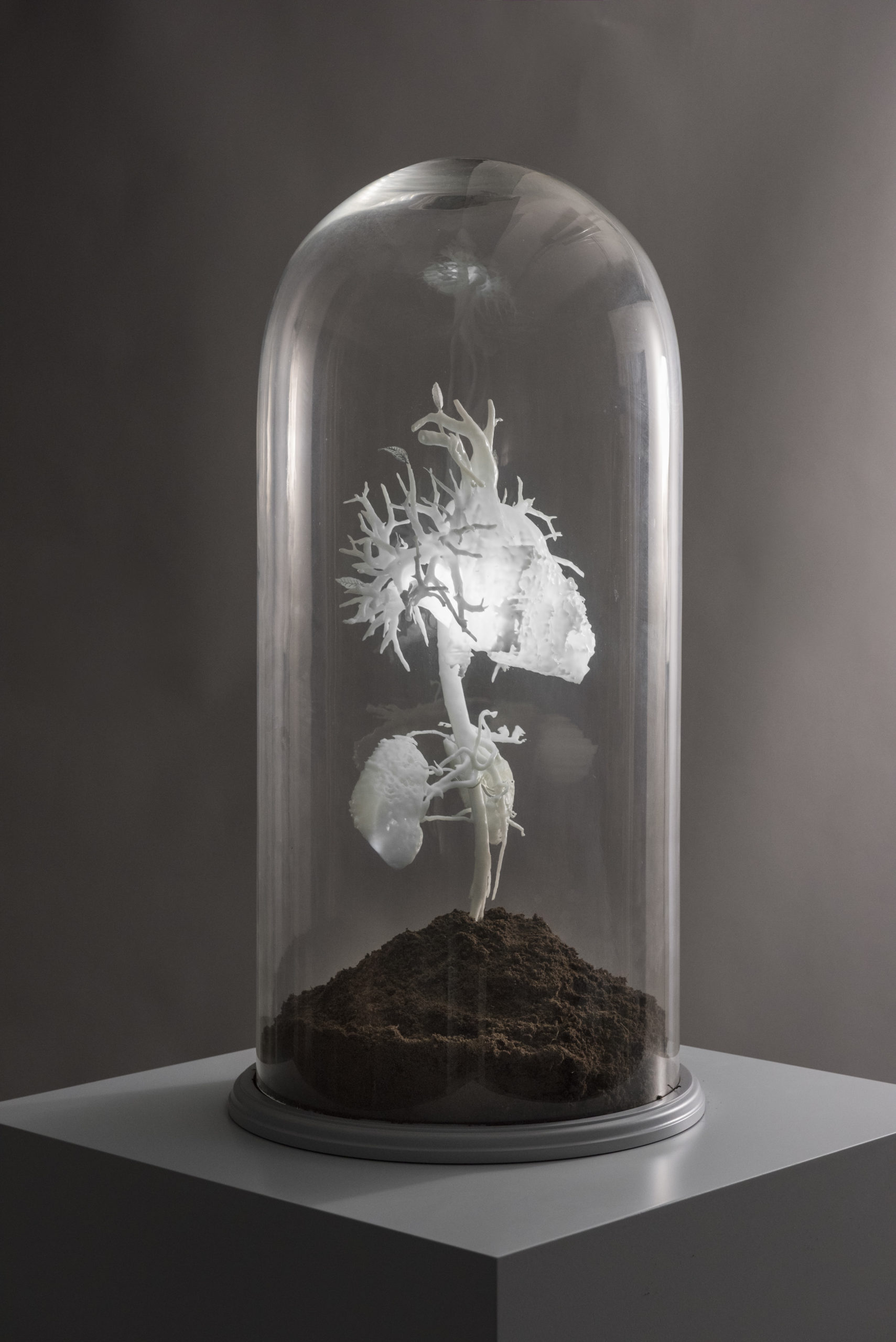
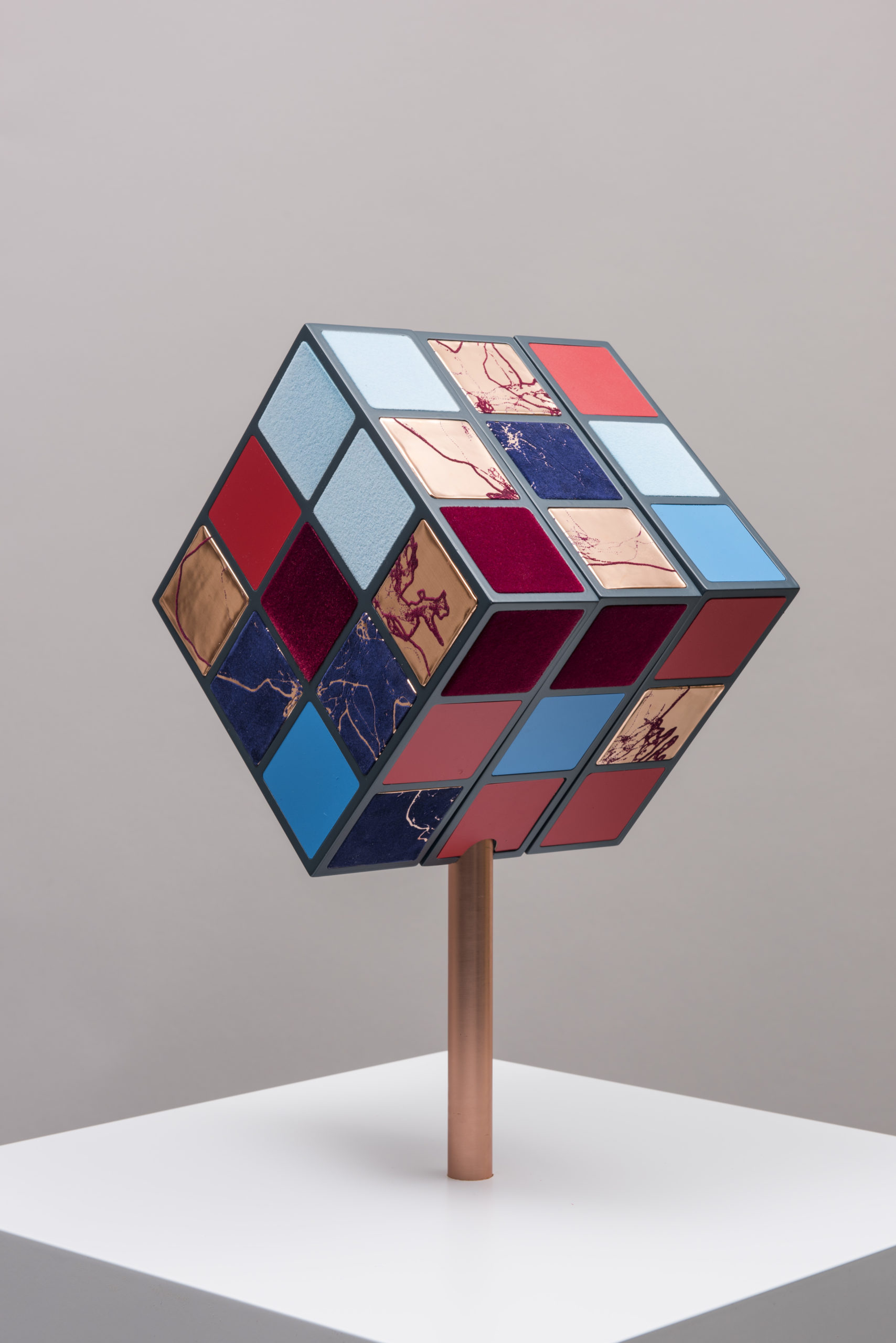
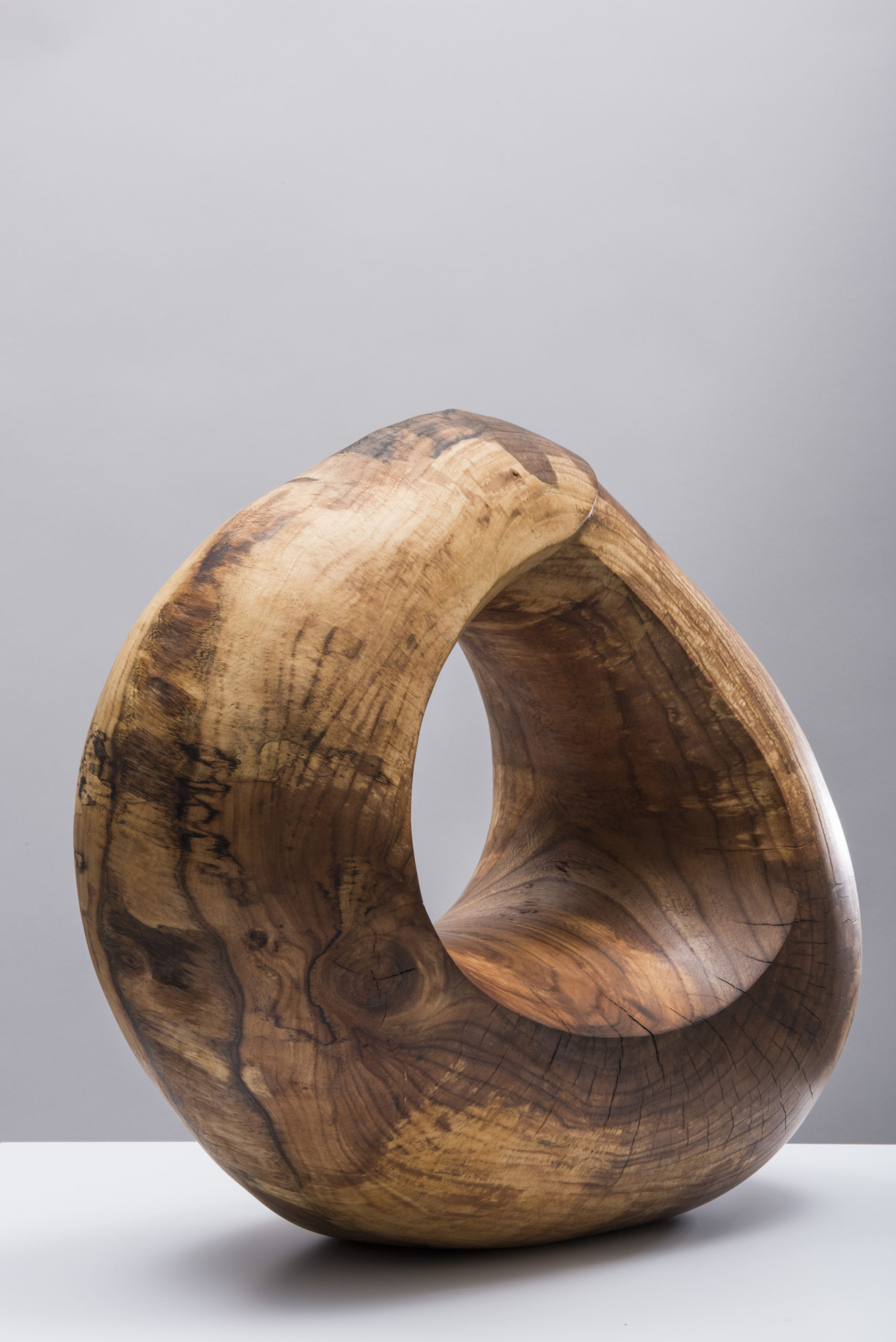
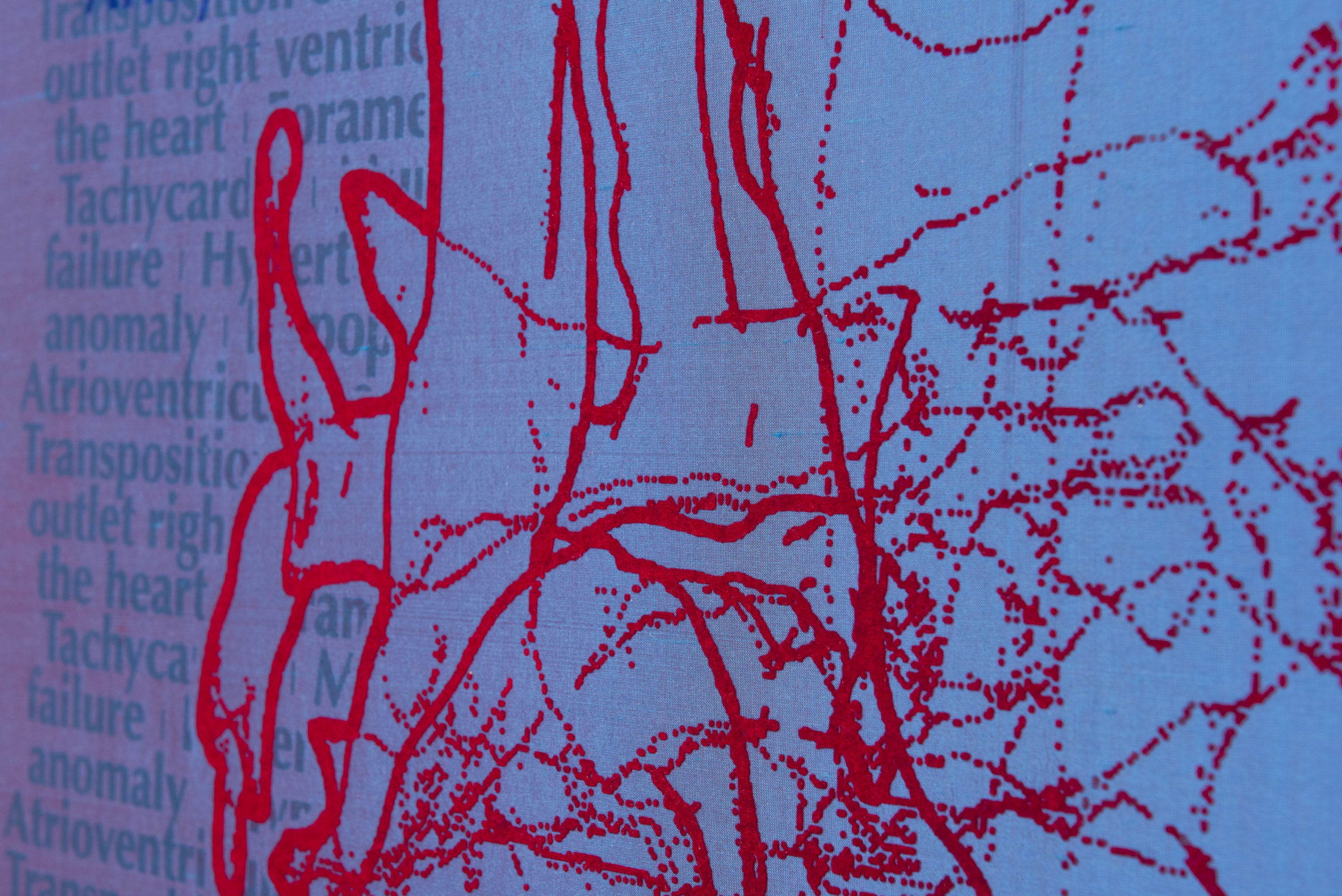
For the exhibition, these medically exact models are shown alongside artworks that express more allegorical and impressionistic representations of the same organ. Following comments by one patient that their heart feels like a rubix cube without a solution, for example, Sofie Layton created a model of a heart packed with jutting puzzle pieces. Another artwork depicts the organ as if it is growing out of soil.
“In the workshops, quite a few people talked about their hearts like plants or buds or trees,” says Biglino. “It’s interesting because this is language we also use medically when we’re talking about pulmonary branches or trunks, or the arterial tree.”
By looking at the human heart through a prism of symbolic and medical models, the exhibition ultimately tries to pin the potent pump as something tangible, visible, but slippery in its associations, let alone its anatomy.
The Heart of the Matter is free to visit at the Great North Museum: Hancock in Newcastle, until 6 May. The exhibition will then travel to Bristol and London later in 2018.